By Meclina Chirwa
Malawi’s HIV response is facing a critical financing moment, with declining external support putting greater pressure on the country to find sustainable ways of funding HIV prevention.
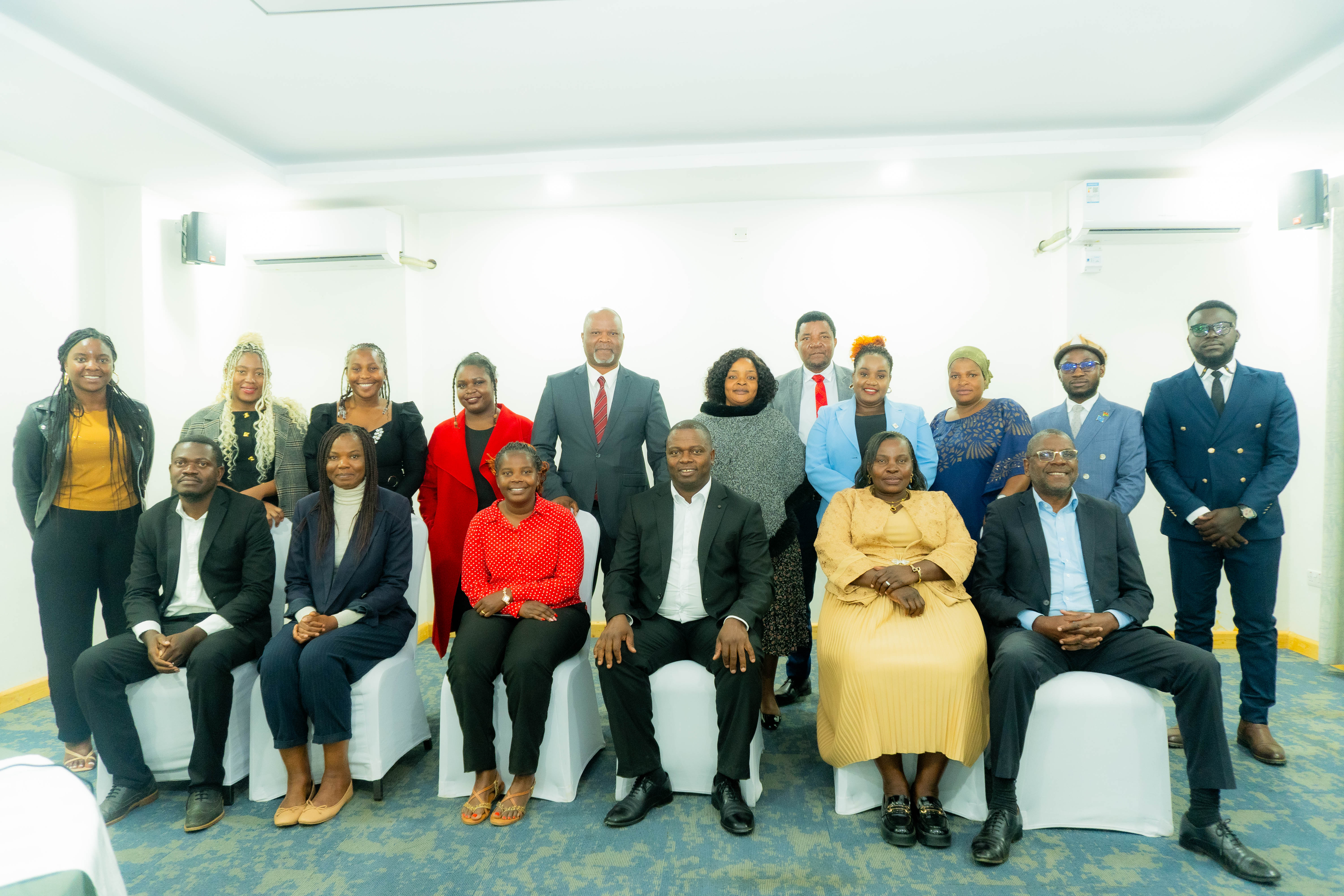
Against this backdrop, the Network of Journalists Living with HIV (JONEHA) has challenged the Parliamentary Committees on Health, Budget and Finance to strengthen oversight and champion increased domestic investment for HIV prevention.
Speaking to Members of Parliament, JONEHA’s COMPASS Accelerate Project Lead, Starphel Sithole, said Malawi could no longer afford to rely heavily on external funding to sustain essential HIV services.
“Malawi faces a rude awakening unless domestic financing solutions are developed quickly. We can no longer depend entirely on donors. The reductions in support mean we must look inward and protect prevention services with our own resources,” said Sithole.
JONEHA called for Parliament to play a stronger role in tracking how approved health resources are released and utilised. Rather than waiting for mid-year reviews, the organisation urged parliamentary committees to demand more frequent written expenditure and disbursement reports from relevant ministries. Such regular oversight, JONEHA argued, would allow delays and gaps in health financing to be identified and addressed earlier.
At the centre of the discussion was the need to create mechanisms that can protect resources for HIV prevention. JONEHA urged the Ministry of Health and Ministry of Finance to establish a National Health Fund, with provisions to ring-fence resources for HIV prevention. The proposed financing could draw from sources such as Optional Paying Services and earmarked taxes, helping to safeguard health investments when government budgets come under pressure.
JONEHA also emphasised that securing resources is only part of the challenge. The country must also ensure that approved funds actually reach the health sector and are effectively utilised. The organisation therefore called on the Secretary for Treasury to maintain at least 95% disbursement and budget execution rates for health, noting that delays in releasing or utilising funds can have direct consequences for the availability of commodities and services at health facilities.
The conversation also extended to the future of HIV prevention. As Malawi introduces new long-acting prevention technologies, JONEHA called for domestic financing to be considered as part of the mid-term review of the Health Financing Strategy. Technologies such as Lenacapavir and CAB-LA could expand prevention options, but their sustainability will depend increasingly on how Malawi plans and finances their integration into the national response.
For JONEHA, strengthening domestic financing is also about ensuring that Malawi meets its existing national and international commitments. The organisation reminded Parliament of the country’s commitment under the Abuja Declaration to allocate 15% of the national budget to health, as well as its Global Fund co-financing obligations.
The concerns come at a time when Malawi’s HIV response remains heavily dependent on external resources. JONEHA cautioned that continued reductions in donor support could place pressure on prevention interventions, including long-acting HIV prevention, condom programming and community outreach.
The Parliamentary Committees acknowledged the issues raised and committed to taking the proposals forward through their oversight role and engagement on the national budget.
Through the COMPASS Accelerate Project, supported by the Bill & Melinda Gates Foundation through PANGEA Zimbabwe, JONEHA will continue generating evidence through community-led monitoring, tracking health financing and engaging decision-makers to promote sustainable domestic investment in HIV prevention.